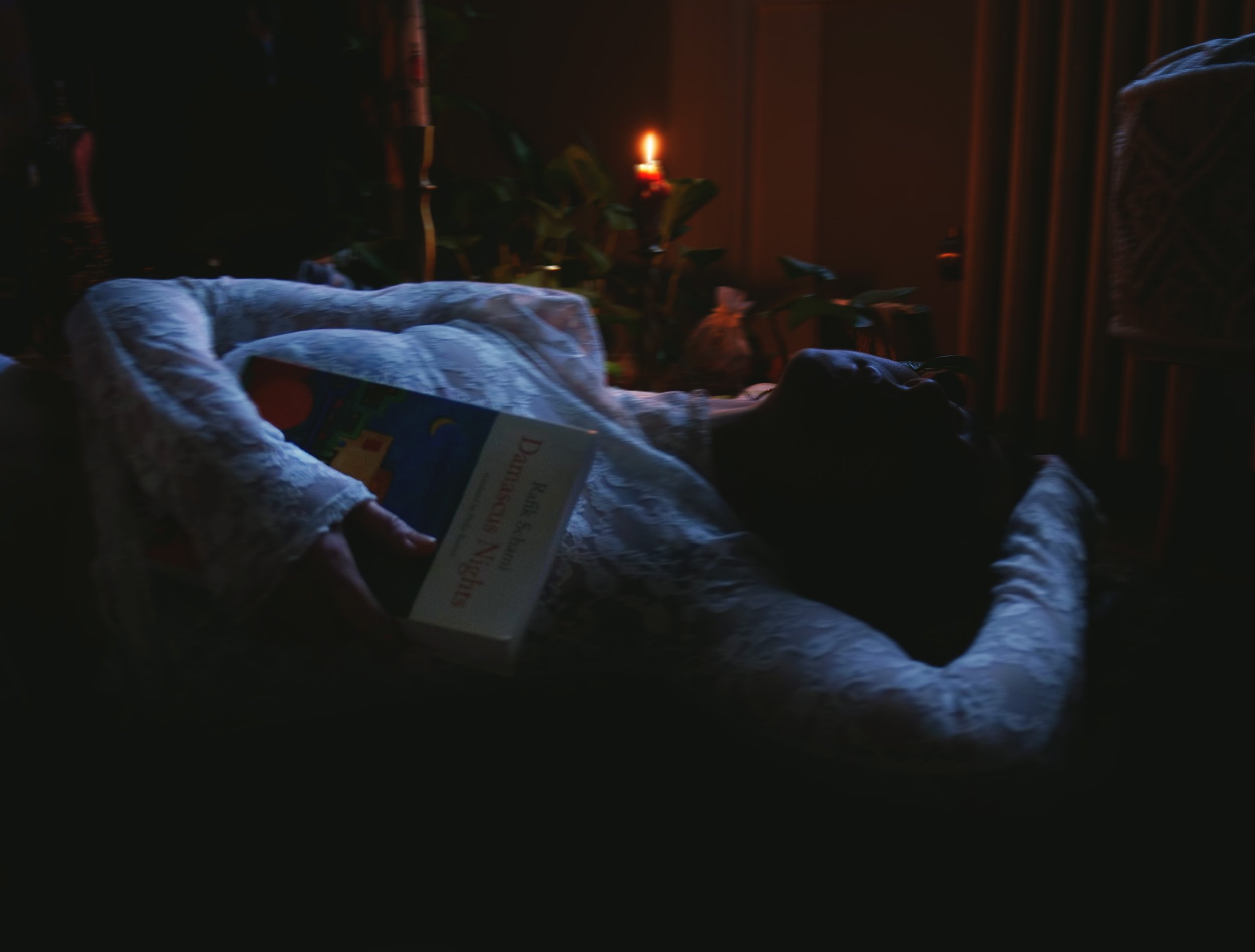
We’re forgetting everything. We’re forgetting that it’s we Arabs, we Muslims, who shocked the West with our erotic texts in the fifteenth century. We invented the realm of the erotic. We’re suffering from collective amnesia.”
— Nabil Ayouch (Moroccan filmmaker) in ‘Sex & Lies’
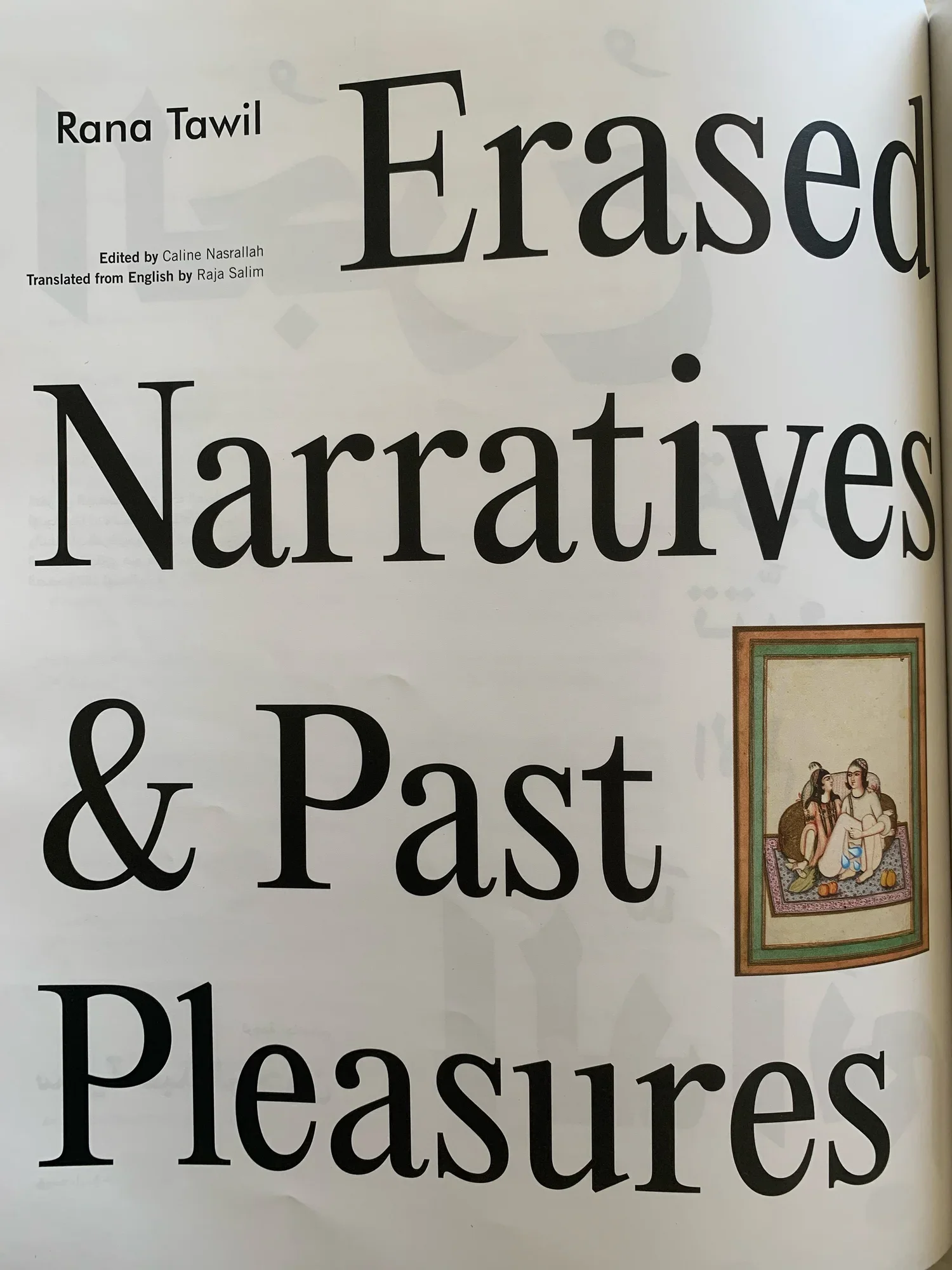
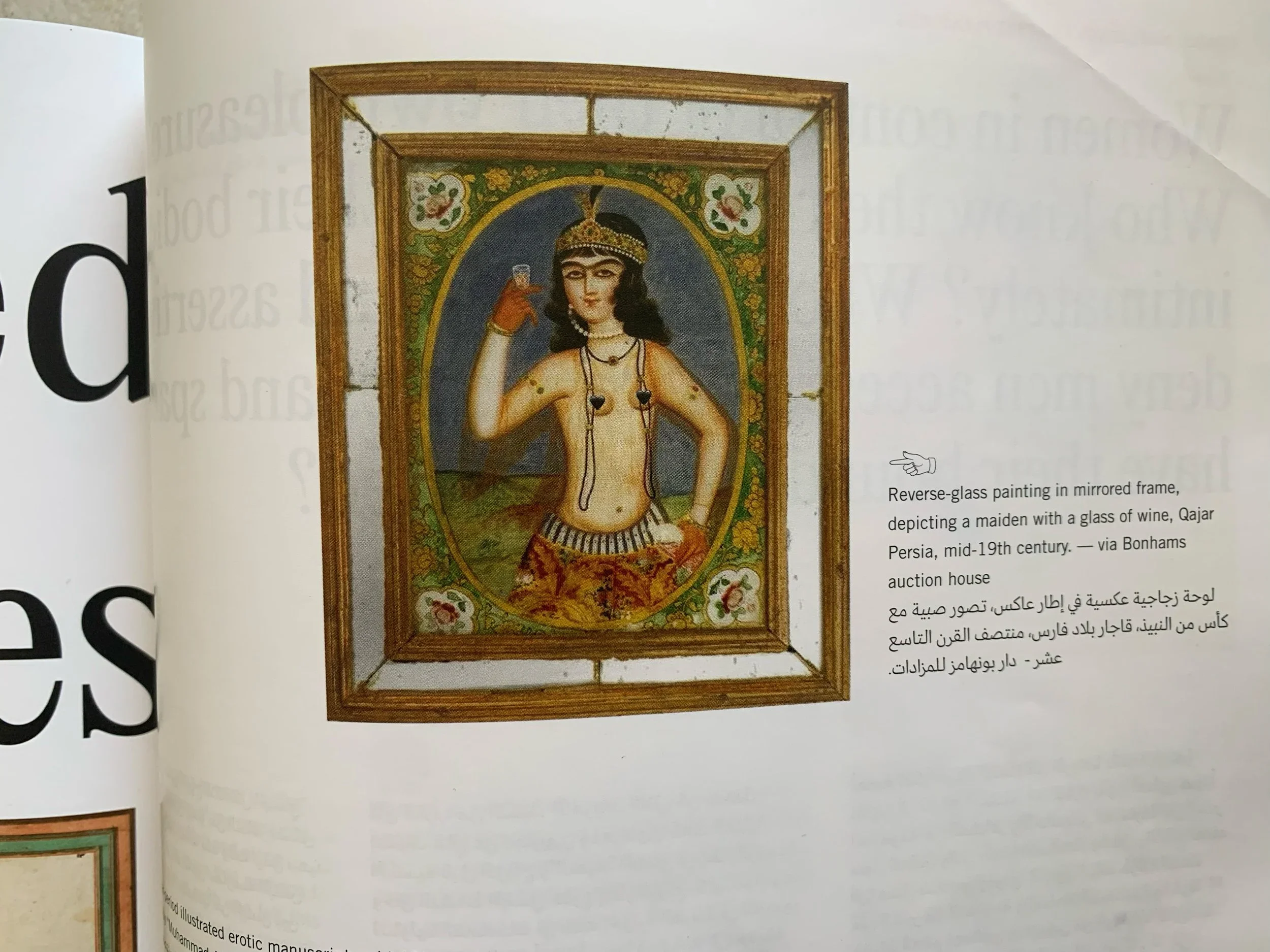
“Muslims can turn to a long written tradition, led by scholars, that saw no incompatibility between the needs of the body and the demands of the faith. From the ninth to the thirteenth centuries, when Islamic civilisation reached its apogee, literature and the erotic arts flourished.
From the nineteenth century onwards, the intellectual, political and economic decline of the Arab world seems to have proceeded in tandem with increasingly puritanical views about sex. With the advent of the twentieth century, colonisation was in any case set to impose very restrictive laws in this domain. The aim was to establish a barrier between immigrants from the West and the native women, and so to contain the ‘unbridled’ sensuality of the local population.”
— Laila Slimani in 'Sex & Lies'
Why literature?
Literature offers a vessel to enter what may otherwise overwhelm us when explored in real life before we are ready. It is a deeply safe space to question, to be curious, to observe, to live in the place of our body that feels safest, and yes, for some women, that may mean the mind. I believe you can still have an embodied experience of the erotic within the intellectual corner of the body. Somatic healers who mean well are often inviting us to jump off the ledge of the mind and into the vast, unknown ocean of our bodies, and while there is much beauty and healing there, I also believe the mind lends itself to a lot of play & pleasure that is not so different from embodied erotic experiences.
And when it comes to sensuality, desire, the body, and the erotic, many of us find ourselves stumbling awkwardly into them without much understanding and certainly without the community and space we need to support us. Literary gatherings that are intentional about entering the unfamiliar together and holding space for honest discussions allow us to expand our capacity for what has overwhelmed, confused, or frightened us before. In titration, we enter new territories of our lives and desires through the invitational vulnerability of the writers we will be reading.
Why outdoors?
I believe in the power of decolonizing our spaces of learning and the ways in which we make contact with the written word. Taking literature beyond the white walls and into nature allows for a far more embodied experience of the written word. It honors the indigenous belief that land and body are one and the same, and it holds the natural world as a powerful participant in our artistic journeys. In nature, the body is included in the literary experience, and it allows us to engage intimately and more honestly with the material we are working with.
As someone who holds a degree in literature, I have only ever been taught about literature indoors, within serious settings, using predominately academic language rather than the language of the body. Gallery spaces, lecture halls and classroom often leave out the body, the divine, the natural world and a communal sense of receptivity and intimate encounter. This absence normalizes rather than questions the relationship (and responsibility) between art and the surrounding world from which it was created from and which also wants to be spoken to and invited into the experience. To challenge this, I have independently organized several exhibitions and poetic gatherings over the years that took place outdoors by the river. The events I have hosted outdoors have taught me just how enormously different art and the written word can be received by the body when placed in the natural world.
What to Expect -
Item description
-
“The unknownness of my needs frightens me. I do not know how huge they are, or how high they are, I only know they are not being met.”
— Oranges Are Not the Only Fruit, Jeanette Winterson
-
Item description
-
Item description
-
Item description
-
AboutRegister the online course offered on Sundays 12-2 pm. EST
Join us in this summer journey into the erotic literature of the SWANA region. In this multi-media course, we will study and discuss a wide range of artistic and literary works, such as the writings of Ghada Samman, Salwa Neimi and Joumana Haddad, the history of Islamic erotic art, the poetry of Forugh Farrokhzad and Nizar Qabbani, the films of Nabil Ayouch and Maryam Touzani, the teachings of Dr. Kaouthar Darmoni, the art of Yumna al-Arashi and Rotana Tarabzouni, and more. Our discussions on the erotic will be paired with a study on the cultural and religious history and context of the SWANA region.
The intention of this course is to offer readers a chance to encounter (or expand their knowledge) of the SWANA region within an intimate setting that centers a sensual approach to Arabic art and literature, offering a space for experimental encounters that lend a far more complex and truer portrait of the Arab people. In this space, the speaker and the one being spoken to are the same: of body and breath. In this neutral and mirroring territory, and perhaps only there, we are able to make far more space to receive the layers, contradictions, and depths of the Arab existence, most of which has long been overshadowed, simplified, or erased by dominant political narratives, even among our own.
This course offers a somatic approach to literature. We will explore embodied ways of reading that bring together the book and the breath, the words and the body’s response to it. We will begin each session with breath and body work before delving into the week’s reading. In this extended position of survival and trauma, we are often left without the time and somatic ability to make space for narratives that are not urgent and existential. It is a privilege, but a deeply necessary one, to intentionally open to deeper narratives that allow our people to be received by a gaze and body that can experience us beyond our long history of oppression, colonization, and erasure.
This month long course will meet once a week from 12-2 EST each Sunday. By the end of the course, you will have extensive knowledge on the erotic works of SWANA artists and participants will be invited to stay on for an optional potluck picnic to follow each gathering. Additionally, participants will be invited to a [separate] writing workshop in which they will have the space and feedback to explore the influence of the assigned reading and group discussions on their own relationship with the body and the erotic. Through prose, poetry, and nonfiction writing, participants will have the chance to examine their beliefs, conditioning, and perspectives on sensuality and desire, supported by the intimate study of vulnerable and revolutionary art and literature.
This course is open to everyone, but I particularly invite those who know very little or nothing about the region to consider this course. Provided you attend with respect, openness, and a willingness to learn, to contribute, to be honest, then you are most welcome, no matter your level of involvement, knowledge, or awareness.
** You will be assigned to read one book a week and will be emailed a curriculum upon signing up for the course. Please consider the time and commitment you will need to attend. Please do not hesitate to reach out below or at my email with any questions you may have, and I look forward to meeting you soon!
Schedulethe course curriculum will be listed two weeks prior to the course.
-
-
-
Item description
-
Item description
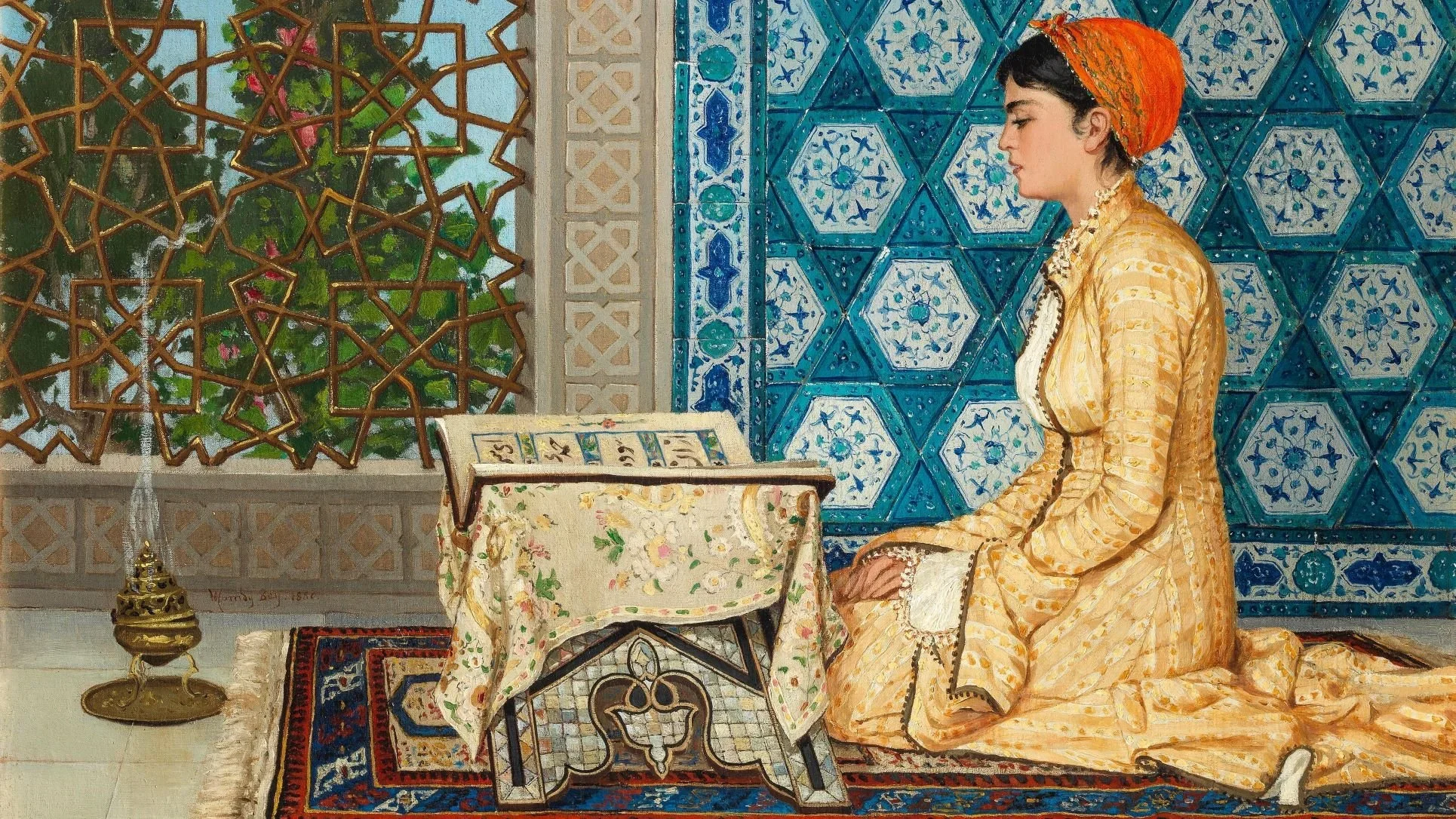
“The space where she meets her god is intimate and womb-like, and profoundly personal. ”
“The undoing of what we never knew was done might be the greatest journey of our lives: the long walk back to the beginning. ”
meet your instructors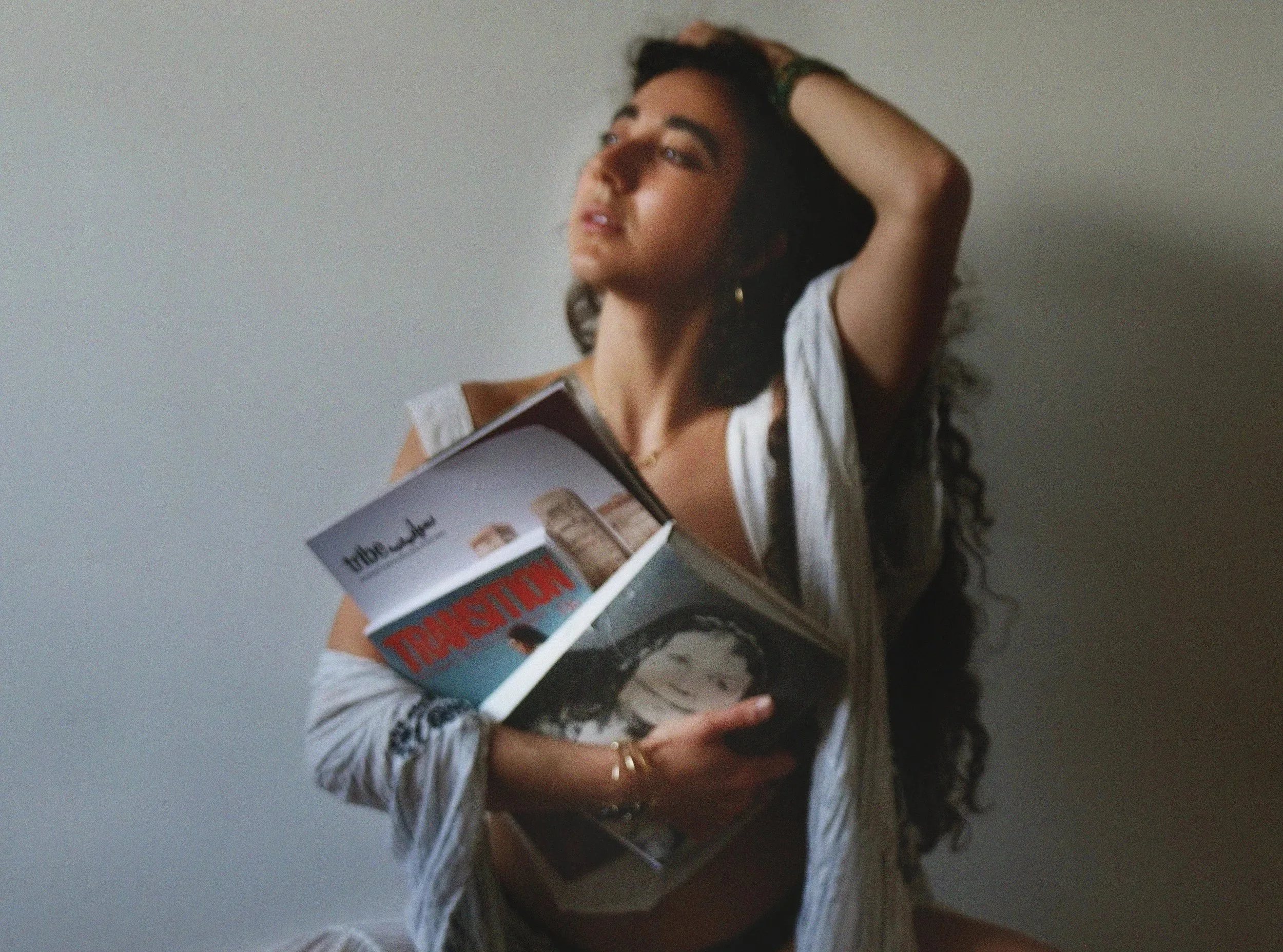
Aiyah is a Syrian-American artist, poet, and researcher.
She explores the inherited politics of the Arab woman and her position in the world through her combination of poetry, textile, and audiovisual work. She has spent extensive time in the past three years researching SWANA literature on religion, sexuality, and testimony and has documented her work through her journal ‘Woman and God,’ an online space that brings together personal narrative, autobiographical works, and collective research.
She is the founder of Tribeless, a collective space for experimental encounter with Arab poetry, history, and art preserving the erotic and spiritual works of the SWANA people.
Get in Touch
If you have any questions or comments about this course, please complete this form and we’ll get back to you within 48 hours.