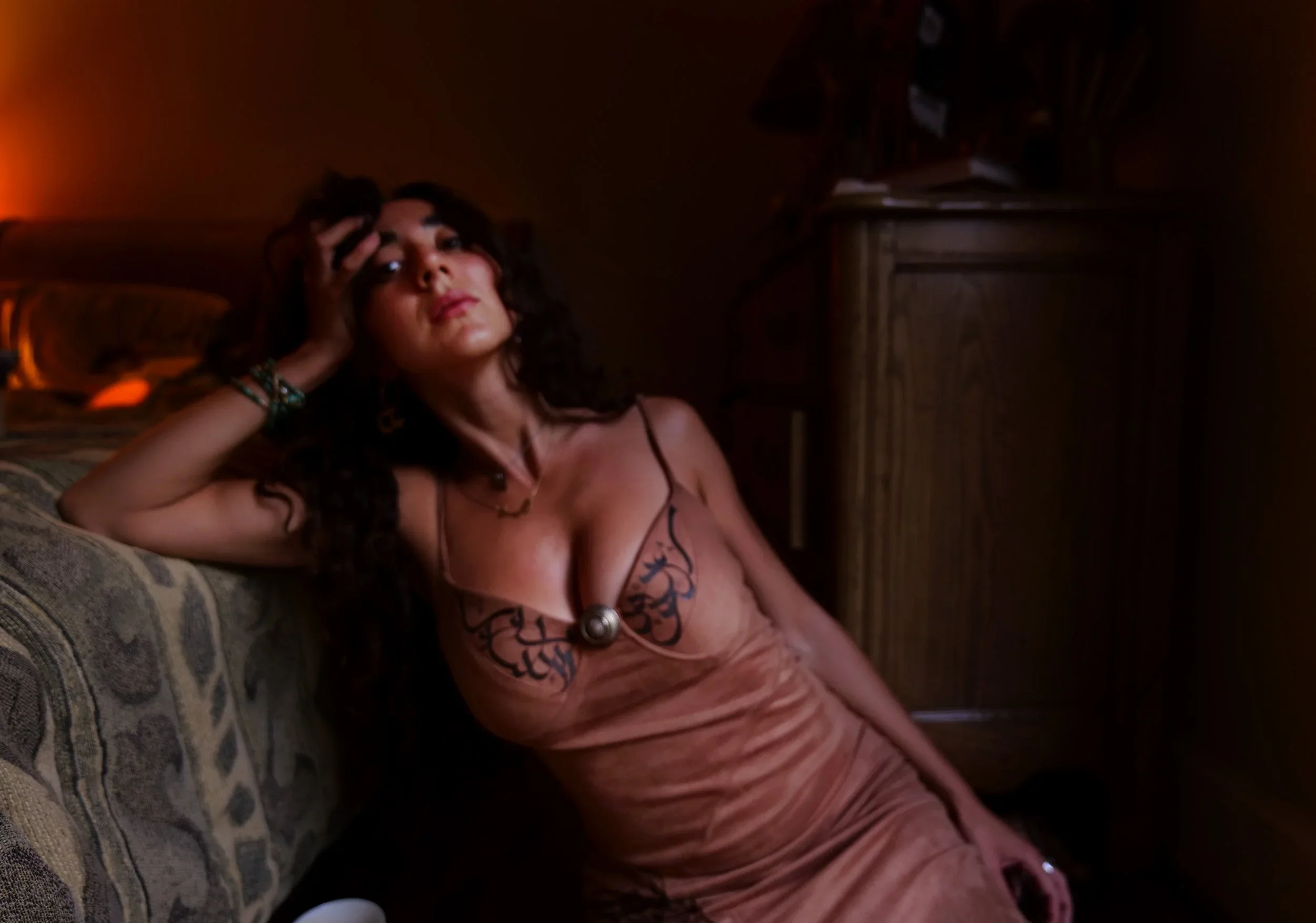
“There were no priests and no pagan scriptures in pre-Islamic Arabia, but that does not mean the gods remained silent. They regularly revealed themselves through the ecstatic utterances of a group of cultic officials known as Kahins. The Kahins were poets who functioned primarily as soothsayers and who, for a fee, would fall into a trance in which they would reveal divine messages through rhyming couplets.
Poets already had an important role in pre-Islamic society as bards, tribal historians, social commentators, dispensers of moral philosophy, and, on occasion, administrators of justice. But the Kahins represented a more spiritual function of the poet… the Kahin’s oracles were vague and deliberately imprecise..”
— No God but God by Reza Aslan
I believe to be a poet is a life-long endeavor. To be a poet is to be a human being. I know people whose poetry is not a reflection of their daily life. That is, they are only poets when they are in the process of writing their poems…Well, how can I accept what they say? I value life more than that.
—Forugh Farrokhzad; Sin translated by Sholeh Wolpe
The body, undressed, unprepared for god. So life is a cup of water, but the river behind her house is dirty. So life lives in a cup she’s left untouched, for someone else to drink beside half-finished poems and drafts of lovers that turned out to have only been lovers in my mind. At the end of our lives, we walk to god with our book. In the other world without memory, will she bear to hear her pages read out loud?
“Undress... it has been a long time since the world has seen a miracle. ”
The truth of us, and the body, skin on skin on land that hasn’t witnessed this courage in a very long time. Perhaps if nothing else, written in the margins of my book, are the days I undressed and touched the truth. My sin, the sin I may be damned for, is that I haven’t managed to make much of that truth. It lived and may die a seed in the womb of a woman who is too scared of the pain to birth, and so keeps the child dead inside, and dies with it too.
My sin is that I believe there is time, and I am trying, slowly. I’ve gotten it wrong. So deeply wrong. And now, in the presence of another chance, for fear of more wrong, more exhausting escapes, I am careful, so much that it looks like there is no movement happening at all.
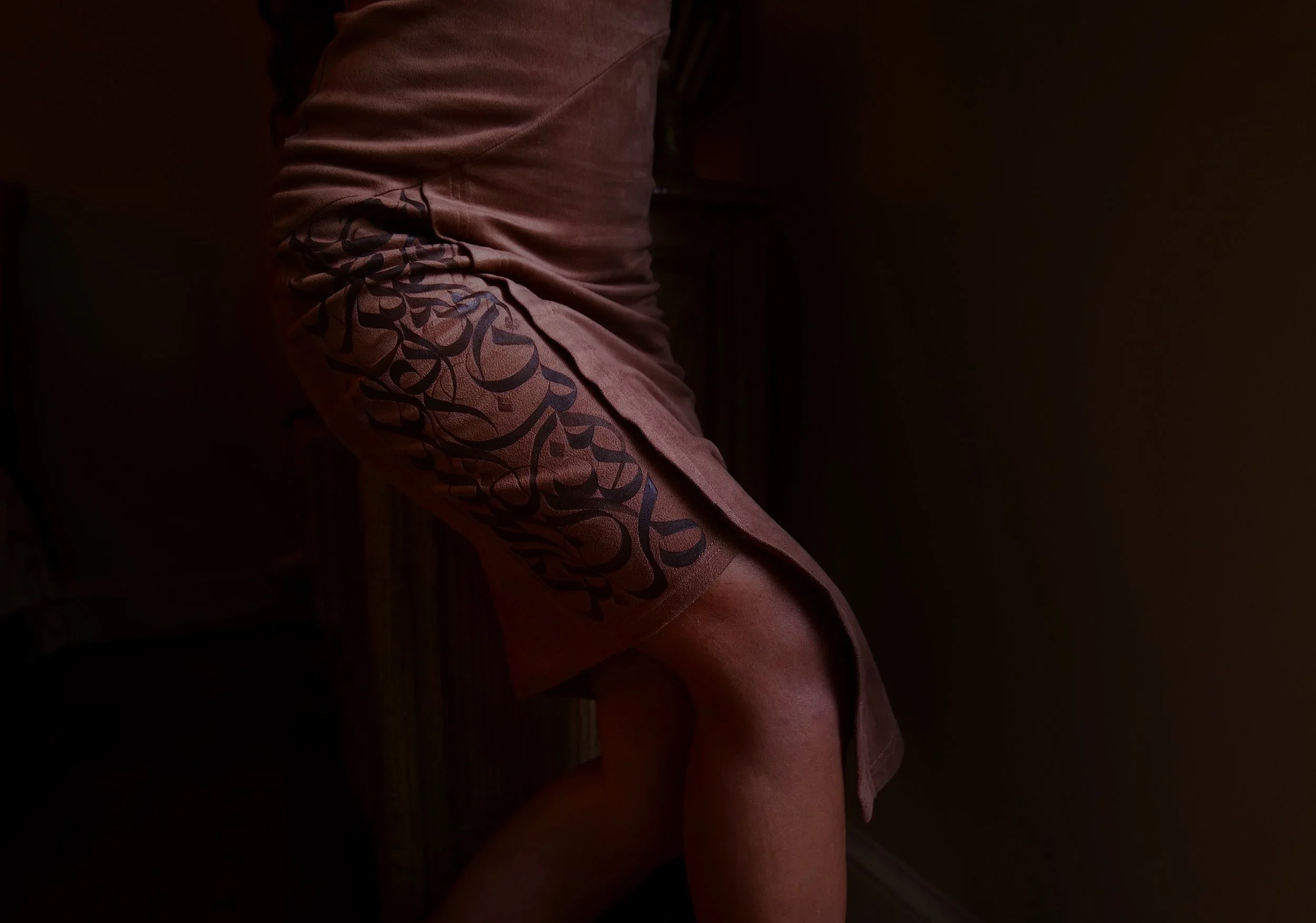
“How long can she survive this isolation, conversing only with the door and the four walls? ”
I am alone, but I am more troubled by the truth of what I know when I am alone. For the first time in my life, I can admit that I’ve always preferred the solitude. I’ve never learned how to keep myself in the crowd. It’s either the temporary taste of company, a taste that turns my loneliness from a feeling to a form that is shoved in my face like an ocean in tantrum, or I have the steady company of mountains who show me a world where solitude has no word, and where, in the expansion of the self, there is no void at all.
And in this solitude lives a crowd of voices that gather into poetry. I prefer this crowd, this chaos from within. I am either full, alone, or emptied, among many. It is how it’s always been. Solitude is submission too, I know it. It’s the exhausted surrender of a heart so shattered it just can’t take it anymore. I can’t bare witnessing it in someone else. When your body moves, while it still can, how can you choose the stillness? When you can touch, how do you choose the untouched life?
I daydream-escape this silent cage
in a moment when my jailer slackens..
I daydream all this, but I know
I do not have the strength to leave;
even if my jailer lets me go,
I do not have enough breath for flight.
[Forugh Farokhzad]
But touch comes with work, so much work, and movement promises pain. This exhausting desire for touch has kept me from my poetry, though in the deaths it delivers, it has given me poems too. And movement is migration from my self. After so long without her, I can’t bare to look onto another city from a hollowed body.
There were poets before they were prophets And if revelation is the primal gift of women, why are our prophets men? When everything else about the real god feels deeply feminine, why has god traveled through the masculine to reach us? It was men that led me out of God and women who led me in. One verse, recited by a man, will have me running away from the dome and towards the mountains. The same verse from a woman with hair brushing her shoulders will have me sitting in the soft pain of all that those words release inside me.
God softens in the mouth of a woman. The anger lacing his sentences melts into an invitation to come where there lived a warning to stay away. With poets, with women, there is god. But in the far, far words spoken by a man in desert land by a desert god, there is only miles of sand and a god I can’t reach and am fooled by the mirage of a punishing heat. It is perhaps another sin recorded in my book, that I took a different road to god. But isn’t it safer than to have taken no road at all?
A poem Forugh Farrokhzad wrote to her doctor:
Lost
Pity that after all my insanity,
I do not believe I’m well again,
for she has died in my, and I
have become idle, silent, and weary…
I don’t ask how to get to the sunlit city,
for no doubt I’m in grave’s abyss.
I posses a jewel but have in terror
concealed it in a marsh’s deeps.
I go but I don’t ask myself what road,
which home, what destination?
….
Whoever she was, the look in my eyes
changed when she did in me,
as if the night’s two cold hands
drew my unsettled soul in its embrace.
Yes, this is me, but so what?
She who is in me is gone, gone.
I mumble furiously, insanely,
who was she? Who?