an attempt to understand why we re-enter, physically and through our minds, our choices, our art, the heavy territories we were desperate to leave
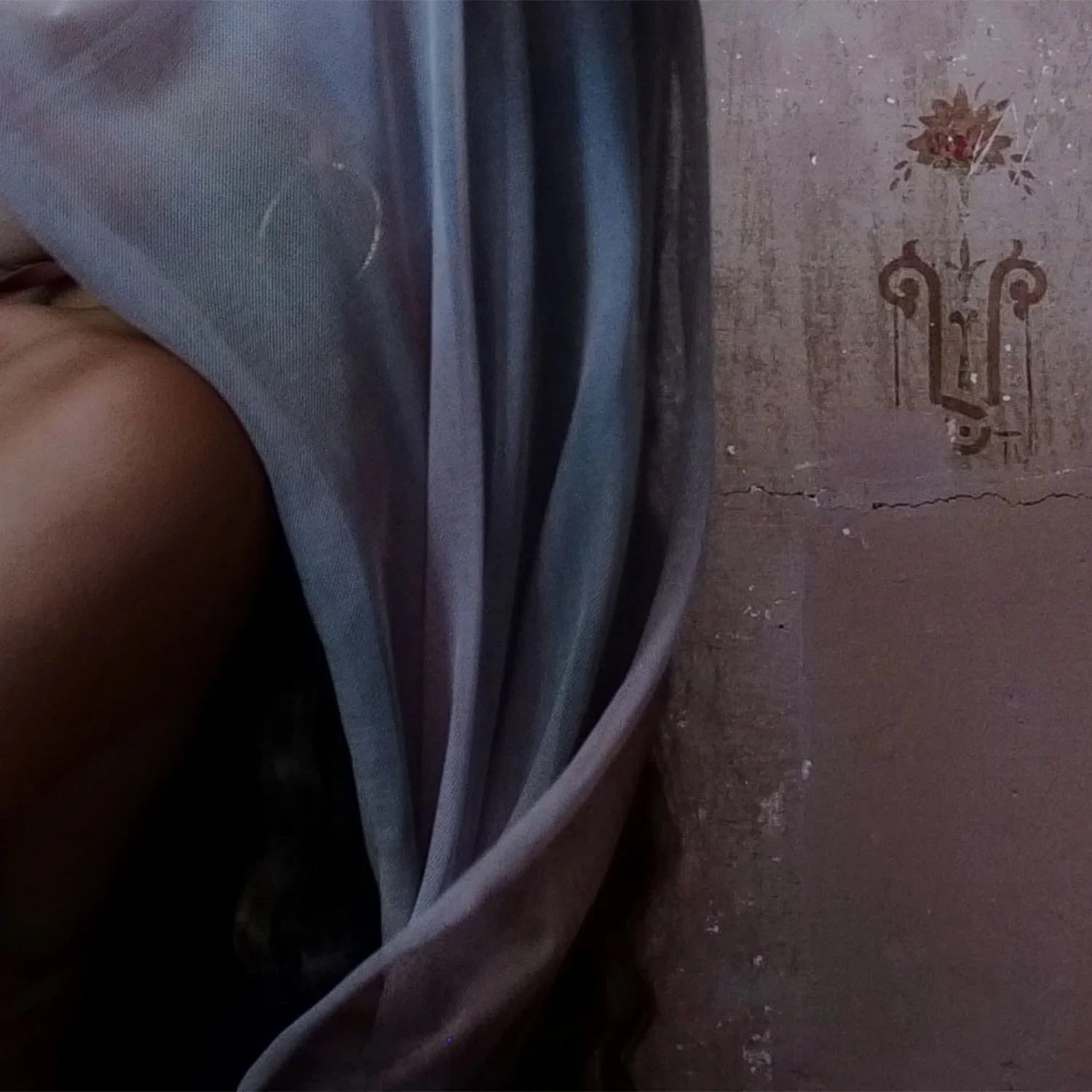
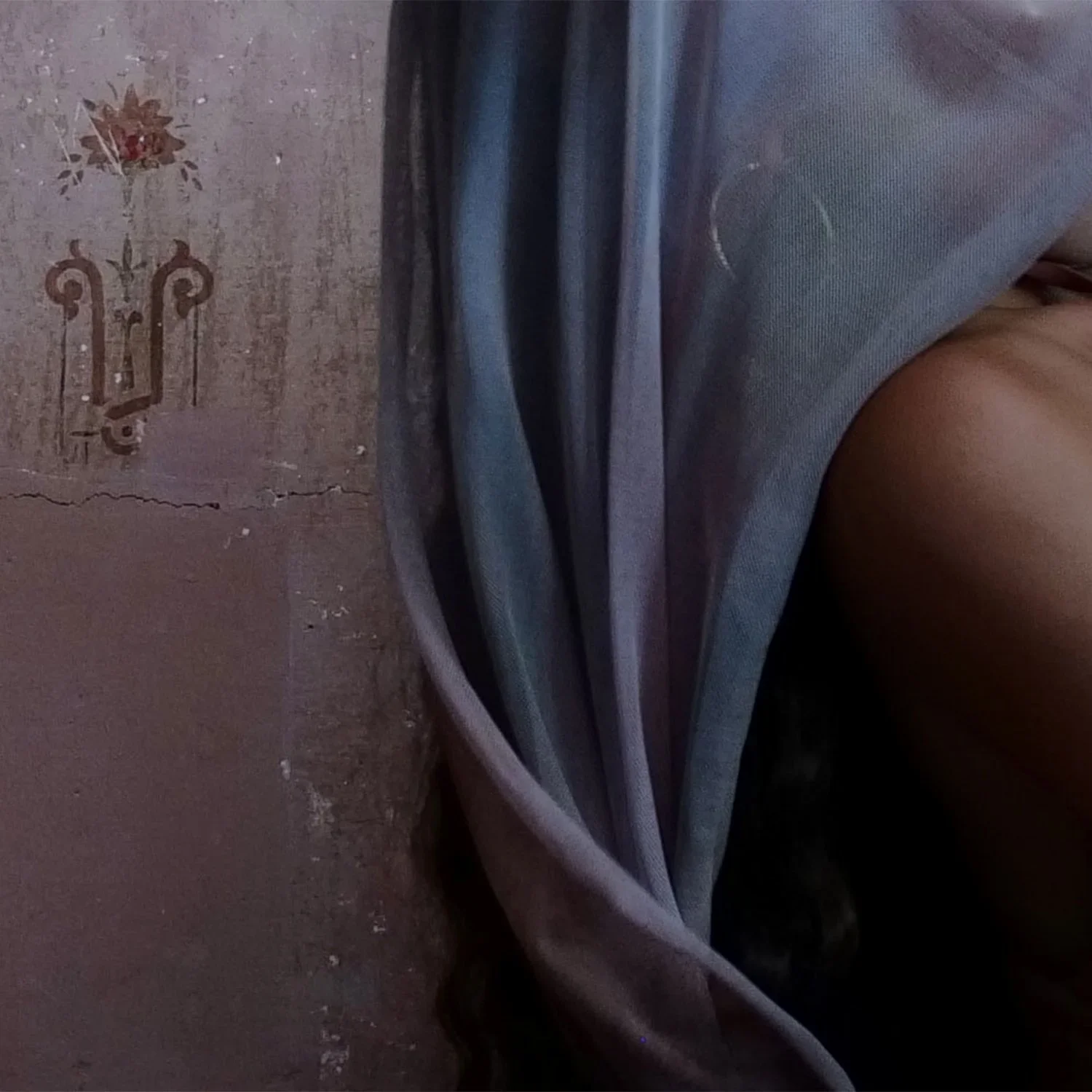
“If we do not know our own history, we are doomed to live it as though it were our private fate.”
The days are long, endless, filled with reminders of whose decision I am living under. For now, it is permanent.
It’s still unknown to me that one day I’ll be released, and that my freedom will arrive as suddenly as the hour that once ended it for me..
My mother takes me to a parking lot, and from a two-doored black sedan, a long, new woman with sick eyes emerges, and beside her, the tiny, tilted figure of my father stuffing me into the back seat.
One moment. And from that hour, the rest of the story unfolds.
After years of watching the world from a barred and fogged hole in the wall, of attempting to accept my exile from life, of lying and lying, of shaping my body to the size of my cell, of swallowed screams, of stolen permission, of erasing the memory of what I had to fight the night before, I am released —
My grandfather drops me off at a cheap studio outside of campus, and I sleep on my clothes for the first week, so intoxicated with this sudden freedom that nothing matters to me except this.
Suddenly, what I mistook for the novel of my life is revealed for the long chapter it was. I arrive at an empty page. This nepantla, this desperate struggle between two stages of life, this borderland is where god pauses to watch me. I arrive with nothing more than a bag of new hours. The observer holds their breath, knowing better than me how delicate, how impossibly delicate that breath is between captivity and a new freedom.
Having known for too long what I dreamt of escaping, and having no instruction on how to enter this foreign territory where people smile and laugh and dance and make love and cry and find jobs and fix cars and keep files of all the confusing papers of life, where people shape their days into something they can hold up to the skies at the end of the day to make god smile… I, the freed one, become the observer too. Watched by god, watching the others, trying to learn, to figure this new thing out. I want to tell every person passing through my life what happened. I can’t stop talking about it. Freedom doesn’t feel like enough justice. I want more and more, though I’m never really sure what more looks like.
Years pass, and I still haven’t managed. The new freedom has wilted into a dull grey where the unanswered questions torture me. That in-between breath taken spills into something familiar. My body becomes what I escaped. I’m exhausted of my story, and I’ve lost my listeners.
In my new country, I begin to lock myself in rooms, hardly seeing the sun. In the absence of people to laugh with, I return to the tears I’ve always known. Having given up on entering a new story, the old one becomes the one I live again and again. Freedom, this shapeless, wild, full of everything I was denied dream becomes too much on us. It becomes a burden: this gift I feel completely undeserving of. I want to kiss her, to touch her - instead, I pretend to be busy, and leave her calls unanswered.
It is all the space I wanted without the erasure I imagined. It is all the time I prayed for without the instructions I needed to be given. I find myself by the sea, accepting the failure of migration. And because a self-made defeat and self-built prison is too much to confess, I begin to walk myself back to the place where my doom was decided for me. I make the mess worse, and I return on my knees to the border I ran from. This prison is the only home I have left. I take one last breath on the other side, and I enter.
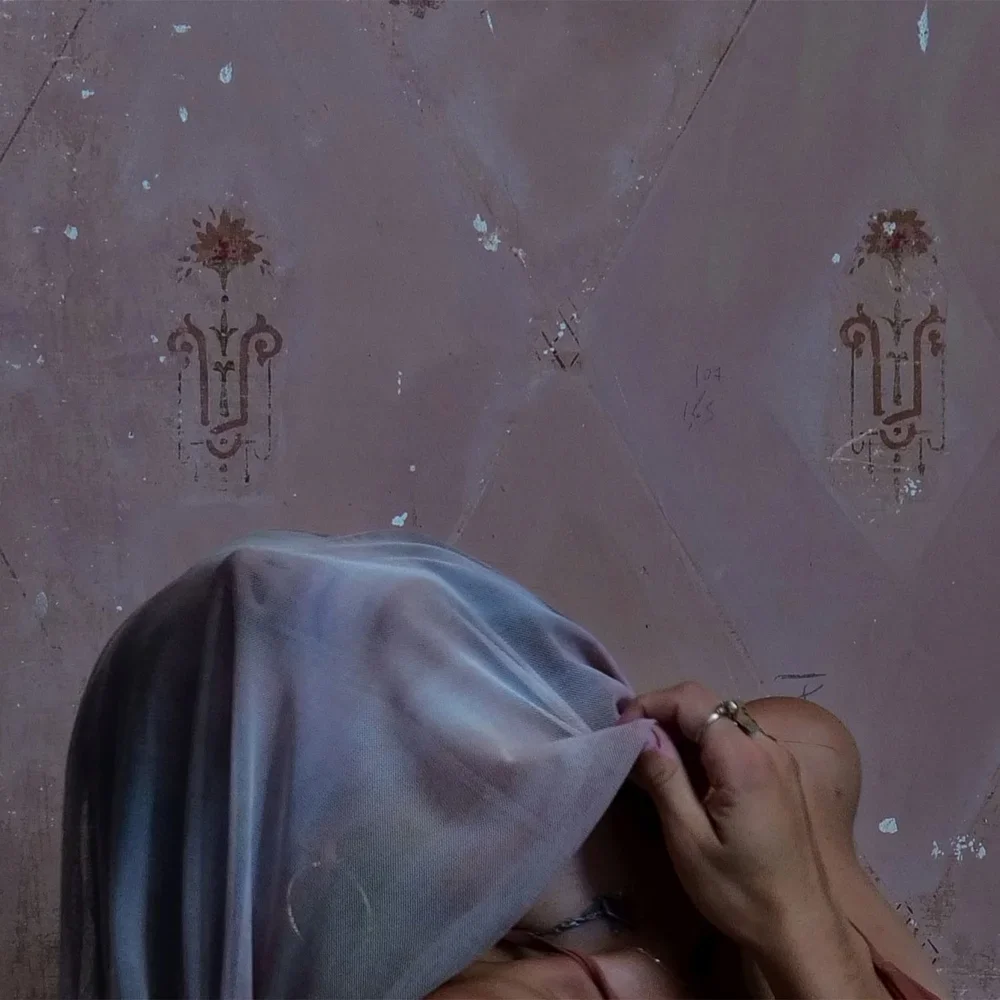
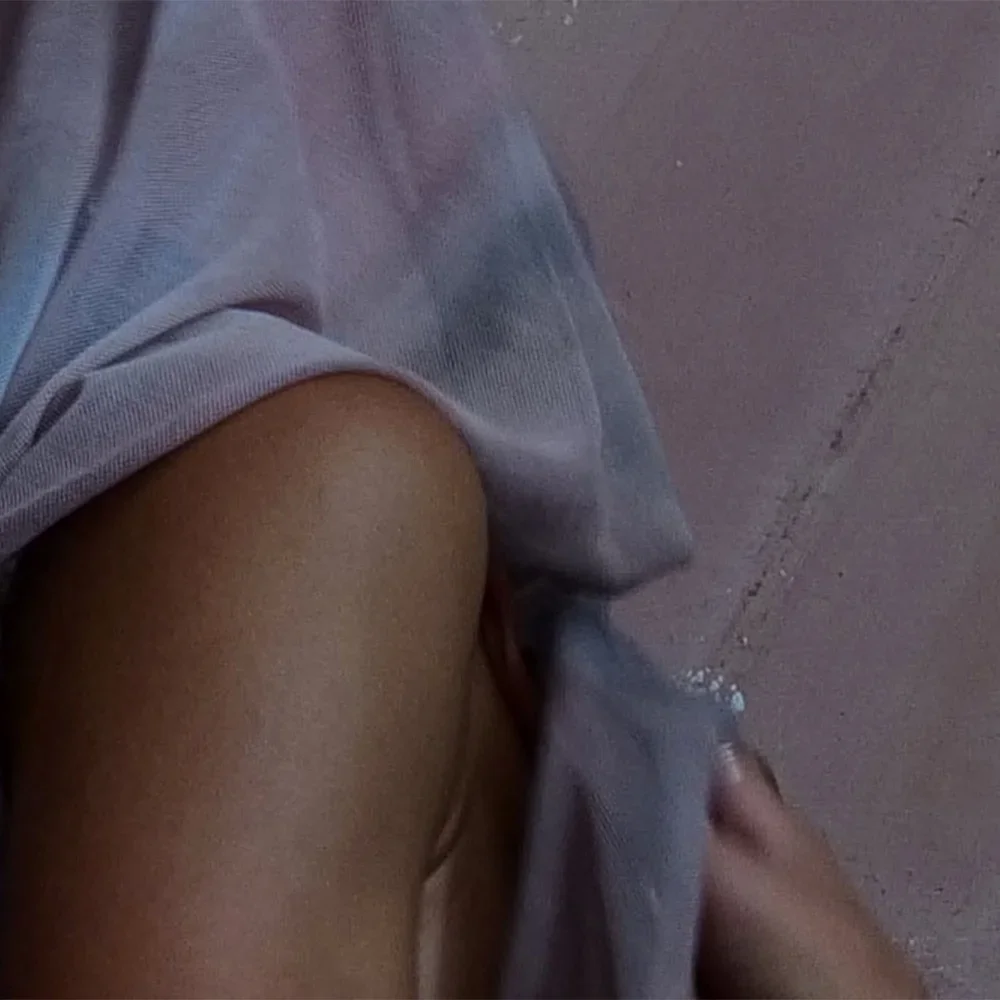
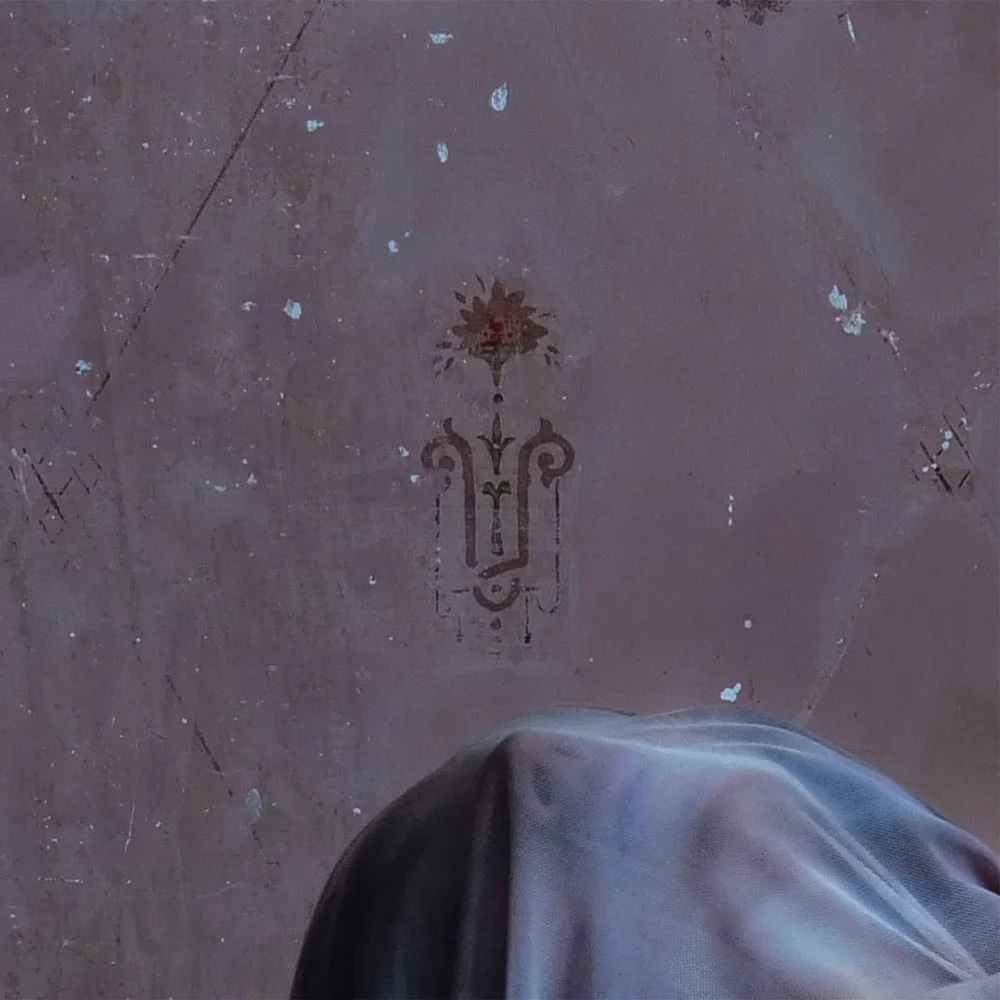
Have I been spared?
I have no option to return this time, and the robbery of this option saves me. But I stumble on another curse. Suddenly, I am re-entering - in my art and through my writing - the prison I left. What was once my escape during those years is now the very thing taking me back. My pen drives me to the door of the mosque, my camera drags me inside, my brushes reveal a captive woman, again and again. What I create erases the present and drags me back in horror to what belongs to the past.
But is it really the past’s possession? Our pain, what we run from. So we’re told that art is excavation and alchemy, but what if we only manage to excavate and nothing alchemizes? Or, what if the cost of that journey is the loss of ourselves?
I had a very dark discussion with a father figure who asked me why I have been doing this to myself. Why am I revisiting the mosque? What am I challenging religion while I am free to live, to breathe, to dance, to release?
How much of our artistic migration backwards is a choice? How much of it is a pain unable to resolve itself? An obsession that found no audience and lost itself in the echo of its hunger to be heard? Where is the fine line separating the mind’s decision from the body’s circular rhythm?
Is it harm? To walk back to the fire - because though you are free you know damn too well of what they’re doing to the others. Is it enough? To rescue ourself, to change cities, to become someone else? I feel the uselessness of these questions, as if I am already possessed by a story I lived and which is meant to remain my subject because I have lived it.
I’m lost. I carry myself to the dark corners of my father’s house, and return to the real world with fears that don’t apply to the place I’ve arrived at. let it go — but as the sufists says, it has to let you go too.
My father was given a second chance when he nearly lost his life. His second chance wasn’t in coming back to life, but that he came back to a life he didn’t have to work for. He began to receive monthly checks that covered his expenses, and he was completely free to do whatever he wanted with his time. Again, we’ve return to the nepantla, the borderland, the place where the gods hold their breath.
My father was one of those rare musicians who played from a primordial place in the body, a source so ancestral and raw and full of the birth-pain of a new earth and all the grief that comes with that. This was his chance. To raise his violin over his shoulder, to bend over his piano, to write his powerful prose, to paint his surrealists paintings.
Instead, he married a woman with schizophrenia, who took him- still vulnerable from the recent accident, with a mind still deciding on its path - into her darkness. Still, he desired to suffer more. He moved out of the city and purchased the most violent goats, goats that would knock him to the ground each morning and bang the walls of his bedroom at night. And the wilder they became, the more intense his love grew for them, who gifted him all the suffering he desired.
And what if pain is just as madly in love with us? Who’s to say what we decide? Did my father really decide his destruction? Did I decide my own a hundred times? Or do we fall into a nameless, confusing, circular migration that we mistake each time for a linear road - away. If what we work with is what we have, and all we’ve had is what we’re attempting to escape, tell me how much of us is the author and how much is the character already written?
What if I decide - if it is a decision - to return in my writing to the heart of darkness? How much of it is watered by the desire to be better, and how much of it is the fire resisting its end? Am I afraid to discover that outside this story, written and re-written, is nothing more than a fragment of a woman who doesn’t know herself? Who can walk you through the prison with her eyes closed but can’t walk a mile in the real world without losing herself?
Is it all to avoid the question: what parts of me have stayed alive outside this great pain?
Is it to ignore the work of another chapter as I claim this novel to be done and finished?
Is it to protect myself from discovering that except for the past, I’ve left my life mostly unwritten?